Understanding the role of grease as a lubricant
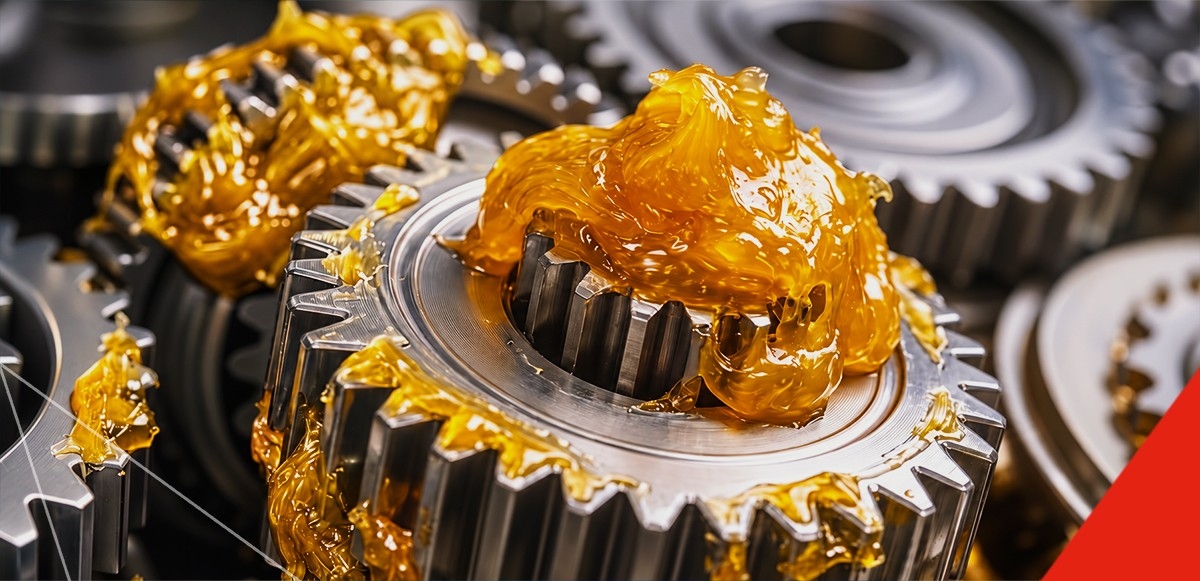
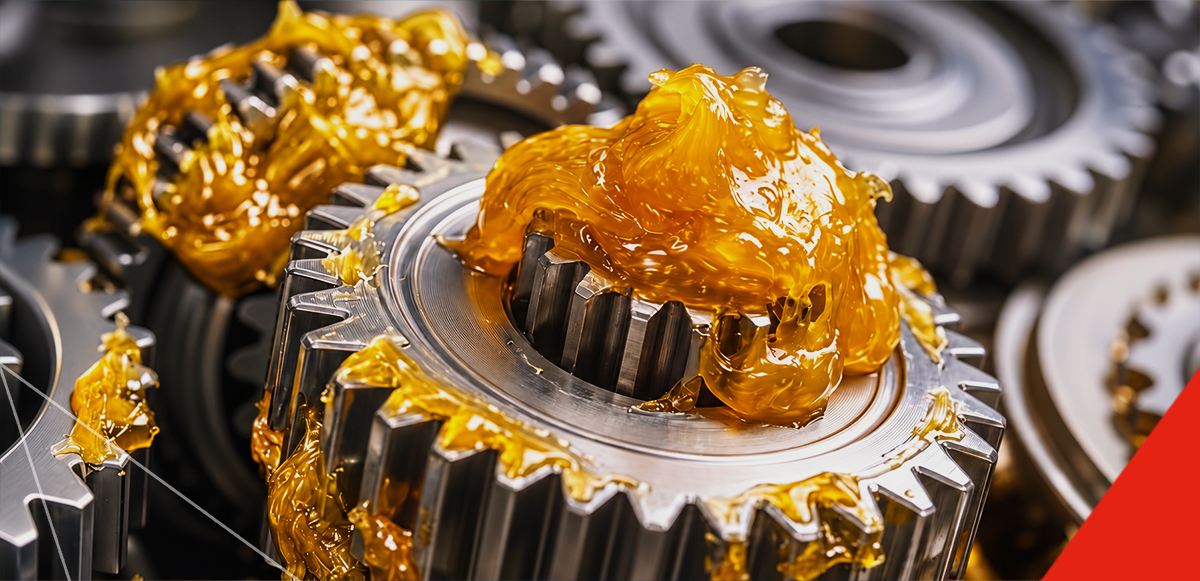
While it may not always be visible, grease is an essential lubricant across a wide range of vehicle components. In a typical car, more than 30 components rely on grease to support effective operation. By helping to minimise friction and wear, greases can protect components, support reliable performance and contribute to more efficient day-to-day operations.
How grease differs from oil lubricants
Grease and oil both play an important role in lubrication, but their properties make them suited to different applications. Unlike oil, which is designed to flow, grease consists of a thickened oil base combined with additives. This structure allows it to remain in place on component surfaces, creating a protective film that helps reduce friction and wear.
This can be particularly important in commercial vehicle applications, where components are often exposed to heavy loads and challenging operating conditions. Through helping to prevent direct metal-to-metal contact, grease can support component protection, reduce the risk of premature failure and help extend service life.
This can be particularly important in commercial vehicle applications, where components are often exposed to heavy loads and challenging operating conditions. Through helping to prevent direct metal-to-metal contact, grease can support component protection, reduce the risk of premature failure and help extend service life.
Understanding grease properties
Choosing the right grease requires an understanding of its properties, as different formulations are designed to perform under different conditions. Factors including base oil viscosity, thickener type and additive content all influence how a grease performs in a particular application.
Across Europe, greases are subject to established classification systems, including DIN and ISO standards, while OEM specifications can also play an important role in determining the formulation and suitability of a product.
Consistency is another important consideration and is commonly assessed using the NLGI (National Lubricating Grease Institute) consistency scale. This ranges from softer to harder greases, with different consistencies offering benefits in specific operating environments. Softer greases, for example, can be suitable for low temperatures or high-speed applications, while harder greases can provide greater stability when components are exposed to high loads and temperatures.
The additives incorporated into a grease can also have a significant impact on its performance. Antioxidants, anti-wear agents and corrosion inhibitors can help a grease withstand the demands placed on vehicle and equipment components. Depending on the formulation, additives can help protect against corrosion and oxidation while also supporting load-carrying performance.
Texaco’s greases for a range of applications
For operators looking to select a grease suited to their specific application, Texaco offers a broad portfolio designed to support the lubrication requirements of vehicles and equipment across a range of sectors.
Among the range is Multifak T EP 2, a multi-purpose lithium grease formulated using a semi-synthetic base. Its high-viscosity base helps support adhesion and water stability, while the formulation also aids extreme pressure protection.
For more demanding applications, Delo Grease EP 2 is a high-performance, heavy-duty lithium complex grease developed to help deliver mechanical stability and adhesion where high loads, vibration and elevated temperatures are present. The formulation is also designed to help provide protection in wet or corrosive environments, alongside good oxidation stability.