Top tips for preparing your vehicle ahead of periodic vehicle inspections
As your vehicle’s periodic inspection approaches, workshops can often face a surge in demand, while drivers face tighter appointment availability and the risk of unexpected repair bills.
Periodic vehicle inspections provide a vital check on your vehicle’s safety, performance, and roadworthiness. By staying proactive and addressing key maintenance areas early, drivers can approach these inspections with greater confidence and avoid last-minute surprises
Why preparation matters
The periodic vehicle inspections assess essential components, including brakes, tyres, lights, emissions, and overall vehicle condition. Minor issues that go unnoticed during everyday driving can quickly lead to a failed test, resulting in inconvenience, additional costs, and time off the road.
Preparing in advance helps identify potential concerns early, supports smoother vehicle performance, and ensures your car remains safe and compliant throughout the year.
What checks should I carry out beforehand?
1. Check engine oil and fluid levels
- Correct oil levels are essential for engine health and emissions performance.
- Low or degraded oil can increase engine wear and impact efficiency. Using a high-quality engine oil that meets manufacturer specifications helps keep engines clean and operating smoothly.
2. Inspect brakes and braking performance
- Brakes are a critical safety component and a common inspection failure point.
- Listen for unusual noises, check brake fluid levels, and watch out for changes in braking responsiveness. If in doubt, have the system inspected by a professional.
3. Ensure lights and visibility are in full working order
- All exterior lights must function correctly, and lenses should be clean and undamaged. Don’t forget to check indicators, brake lights, fog lights, and number plate illumination.
- Windscreen wipers, washers, and screen condition should also be checked to ensure clear visibility.
4. Examine tyres and wheel condition
- Tyres must meet the legal tread depth and be free from cuts, bulges, or excessive wear.
- Correct tyre pressure also contributes to safe handling and fuel efficiency. Regular checks help ensure compliance and extend tyre life.
5. Address warning lights and general vehicle condition
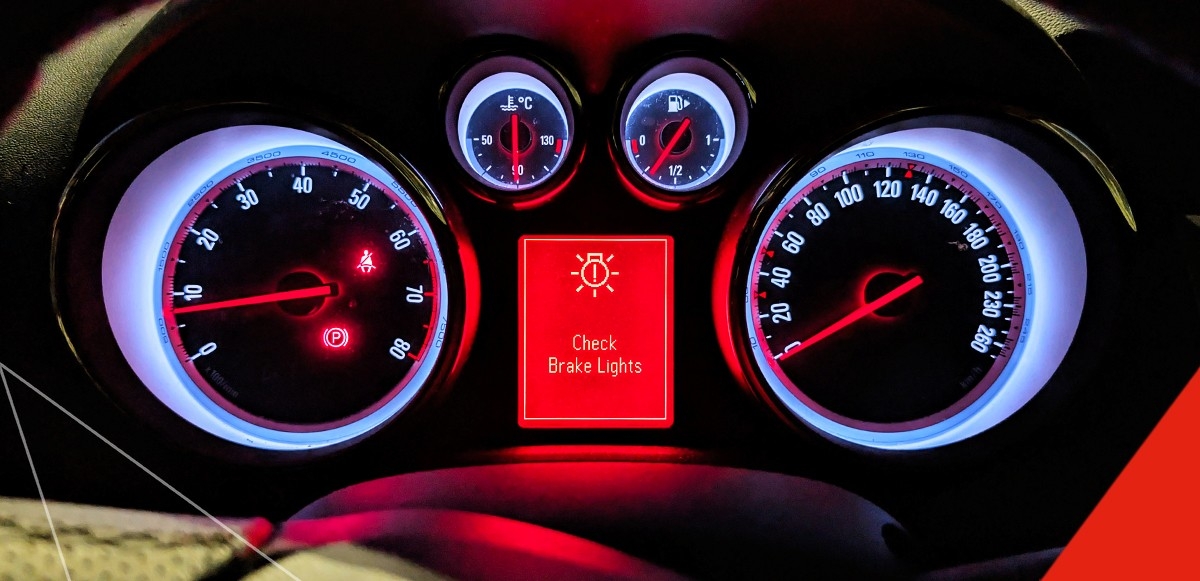
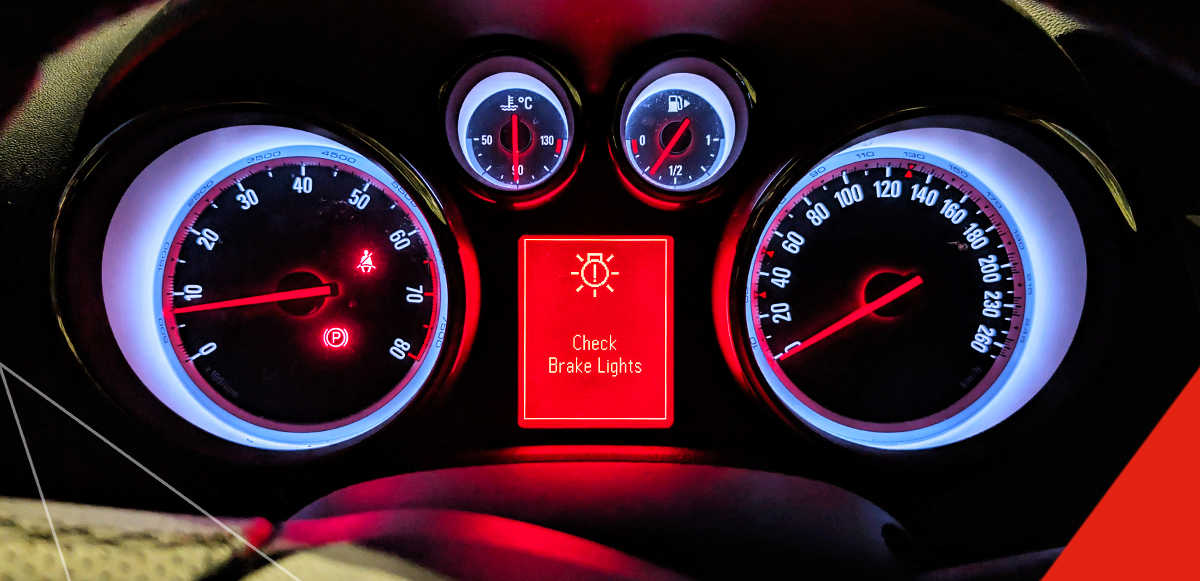
- Dashboard warning lights, excessive exhaust smoke, or visible damage can all lead to inspection failure.
Which oil should I use for my vehicle?
Luckily, Texaco’s Havoline® range has got you covered. For over 100 years, Havoline engine oils have been trusted by customers around the world to help deliver outstanding engine performance and protection, from within all kinds of motorsport to the rigours of everyday driving.
Our Product Selector is a quick and easy way to find the right oil for your vehicle. Simply enter your registration plate or manually filter by make, model, and type to find the product that meets your vehicle's specific requirements.
Find out more about the Texaco Havoline Range, and always refer to your vehicle’s manual regarding recommended lubricants.