How do different fuel types affect engine oil performance?


As engine technology evolves and alternative fuels become more widely used, engine oils must meet an increasingly diverse set of demands. Petrol, diesel, biofuels and natural gas each have different combustion characteristics, producing by-products that can affect oil condition, engine cleanliness and component protection.
That’s why understanding how different fuels interact with engine oil is essential for selecting the right lubricant, supporting engine performance and determining appropriate oil change intervals.
How does petrol affect engine oil?
Petrol engines place particular demands on oil oxidation resistance and high-temperature stability. Heat can accelerate oxidation, leading to varnish and deposits, while frequent short journeys and stop-start driving can increase the risk of fuel dilution.
When unburned fuel enters the oil, it can alter viscosity and reduce the lubricant’s ability to protect moving components. Engine oils therefore need to be specifically formulated to resist oxidation, control deposits and maintain effective lubrication across varying operating conditions.

What makes diesel engines different?
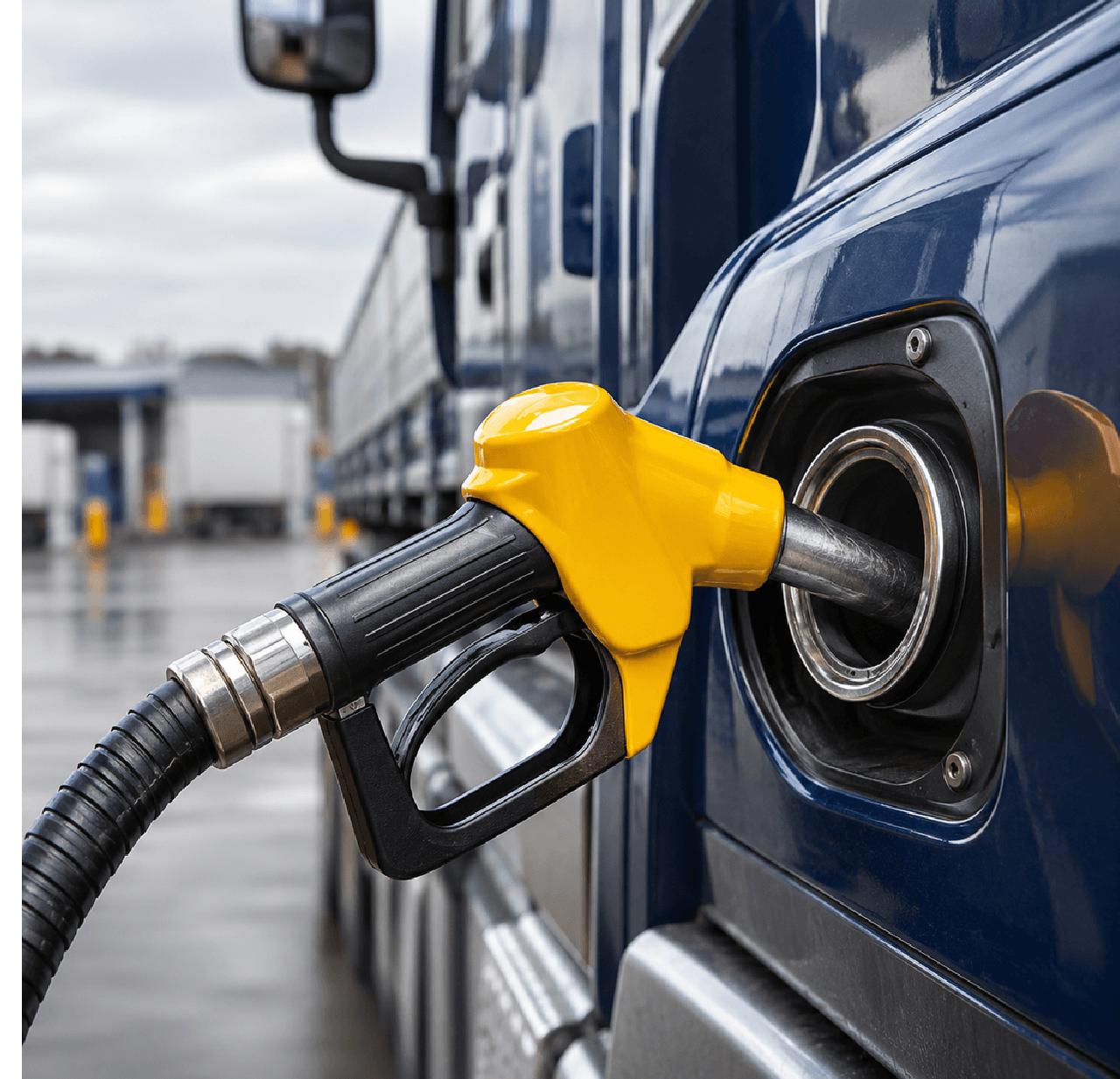
Diesel engines typically operate under high pressures and temperatures, producing soot and acidic combustion by-products that can contaminate the oil.
Soot accumulation can cause oil thickening, while acidic compounds can contribute to corrosion. Diesel engine oils rely on detergent and dispersant additives to help neutralise acids, manage contaminants and reduce deposits.
How do biofuels influence oil performance?
Different biofuels create distinct challenges. Biodiesel can increase the risk of fuel dilution, moisture contamination and oxidation, potentially affecting oil viscosity and accelerating oil degradation. Suitable engine oils need strong oxidation resistance, corrosion protection properties and the ability to manage water contamination.
Hydrotreated vegetable oil (HVO), by comparison, generally burns more cleanly than conventional diesel, due to its higher cetane number, which ensures efficient combustion and reduces engine deposits and emissions.
Its low sulphur and aromatic content can also help reduce certain sources of oil contamination. However, engine compatibility and lubricant requirements should always be checked against manufacturer recommendations.
Ethanol blends, including E85, introduce further considerations. Water contamination and acidic conditions can increase the risk of corrosion and affect additive stability, making anti-rust and anti-corrosion protection properties particularly important.


What about natural gas and hybrid engines?
Natural gas engines running on compressed or liquefied natural gas (CNG or LNG) produce relatively little soot, but high combustion temperatures can accelerate oil oxidation and nitration. Lubricants must be designed to provide suitable oxidation stability and to protect critical engine components, including valve seats where required.
Hybrid vehicles present a different challenge. Frequent engine starts and stops, combined with shorter periods of operation, can prevent the engine from reaching its optimum temperature. This can increase the potential for fuel dilution and moisture accumulation, placing additional demands on low-temperature flow, anti-wear protection and contaminant control.


To sum it all up
Different fuels create different challenges for engine oil, making lubricant selection increasingly important. Always follow the engine manufacturer’s recommendations for oil specification, fuel compatibility and drain intervals. Choosing the correct formulation can help reduce deposits, protect critical components and support performance throughout the engine’s service life.
Find out more about Texaco Lubricants’ range of engine oils.
About Rudi Sanders
Based in Ghent, Belgium, Rudi Sanders has worked for Texaco Lubricants for over 30 years. Across his career, he has held an array of positions, including being the laboratory manager of the chemical and physical test laboratory, country manager and manager of sales and marketing for Benelux and France.
Rudi is also currently chairman of the Industry Liaison Committee for ATIEL (Technical Association of the European Lubricants Industry) and co-chair of the ATIEL liaison committee for light-duty vehicles.