What are the common misconceptions around oil changes and oil condition?
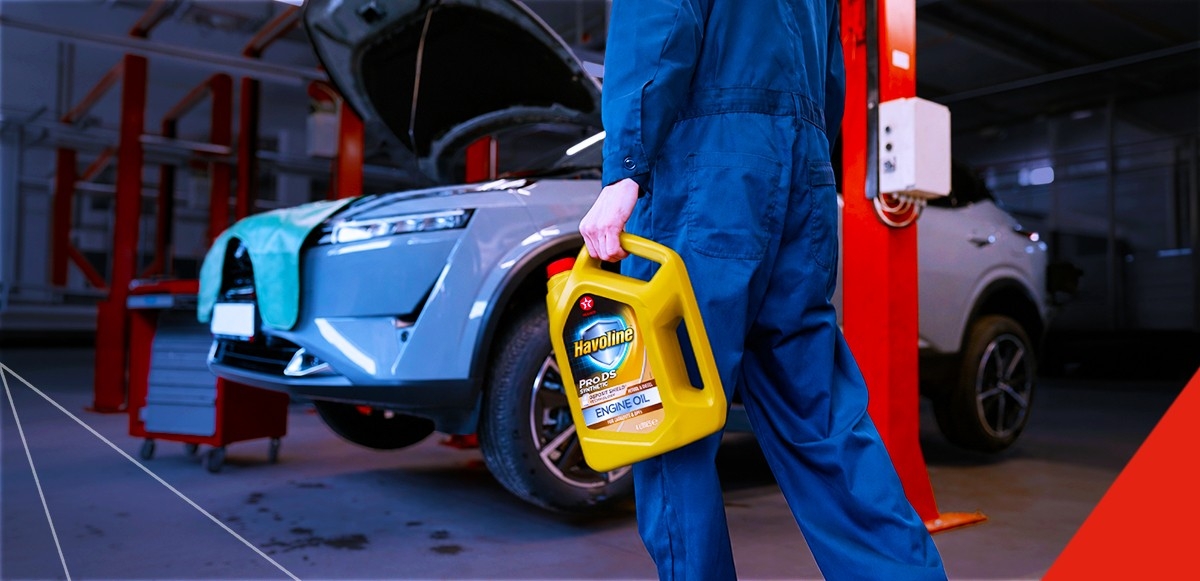
Maintaining your engine isn’t always as straightforward as it may seem – especially with so much outdated advice and common misconceptions to navigate.
Many drivers hold well-meaning but ultimately incorrect beliefs about when and why they should change their oil. To help you keep your vehicle at its best, let’s clear up some of the most frequent misunderstandings.
"You must change your oil every 5,000 km"
This is perhaps the most persistent myth in the motoring world. While this was a golden rule decades ago, engine technology and oil formulations have advanced significantly. Most modern engines, when used with the manufacturer’s recommended oils, are designed for much longer intervals – typically between roughly 6,000 to 20,000 miles.
"If the oil is turning dark, it’s time for a change"
Many drivers check their dipstick, see dark brown or black oil, and assume it’s "dirty." In reality, dark oil is often a sign that the fluid is doing its job correctly. Modern oils contain detergents designed to help capture and stop contaminants, preventing them from forming deposits on engine parts. Rather than judging by colour, it’s far more reliable to follow the manufacturer’s service interval or use professional oil analysis for precision.
"Low mileage means you don’t need an oil change"
It’s a mistake to assume that a car tucked away in a garage doesn’t need fresh oil. Oil degrades over time through oxidation and the accumulation of moisture, even if the engine isn't running. This is particularly relevant for hybrid drivers who may rely heavily on electric power. As a best practice, oil should be changed at least once a year, regardless of whether you’ve hit the mileage limit.
"Topping up is as good as a full change"
If your oil level is low, topping it up is essential, but it is not a substitute for a service. Adding fresh oil just dilutes the old, degraded fluid – it doesn't remove the sludge or metallic particles settled at the bottom. A full drain and refill is the only way to ensure your engine is properly protected.
"The oil light is a service reminder"
This is a dangerous assumption. If your oil warning light illuminates on the dashboard, it generally indicates a critical drop in oil pressure, not just that the oil is ‘old.’ If this light appears, you should pull over safely, stop the engine immediately, and check both the oil level and its condition. If in doubt, visit your local workshop.
"A fresh oil change means 100 percent new oil"
It’s a common belief that every drop of old oil is removed during a service. However, unless an engine is flushed multiple times with fresh oil, roughly 10 percent to 15 percent of the old, used oil remains trapped in galleries or clinging to internal components. This percentage can increase significantly if the oil filter isn't replaced at the same time, which is why a new filter is an essential part of a proper oil change.
Find out more about Texaco Lubricants’ range of engine oils.
About Rudi Sanders
Based in Ghent, Belgium, Rudi Sanders has worked for Texaco Lubricants for over 30 years. Across his career, he has held an array of positions, including being the laboratory manager of the chemical and physical test laboratory, country manager and manager of sales and marketing for Benelux and France.
Rudi is also currently chairman of the Industry Liaison Committee for ATIEL (Technical Association of the European Lubricants Industry) and co-chair of the ATIEL liaison committee for light-duty vehicles.