Why ‘standard’ engine oil is no longer enough for modern engines
For many drivers and fleet operators, engine oil is treated as a mere commodity and essentially as something to tick off during routine servicing. As long as it meets the basic grade, it’s good enough. But what these drivers don’t know is that this assumption is becoming increasingly risky.
Modern engines are no longer built for ‘standard’ lubrication. With tighter tolerances, turbocharging, and advanced emissions systems now the norm in newer vehicles, the demands placed on engine oil have fundamentally changed. What hasn’t changed, however, is how users choose their oil.
The hidden pressures inside today’s engines
Today’s engines – both gasoline and diesel – are working harder than ever. Higher operating temperatures, increased pressure, and the integration of systems like diesel and gasoline particulate filters (DPF and GPF) mean engine oil must do far more than reduce friction.
It now plays a critical role in protecting emissions systems from damage, preventing harmful deposits and sludge build-up, supporting fuel efficiency over longer service intervals, and mitigating risks like Low Speed Pre-Ignition (LSPI), which can cause severe engine damage.
Ultimately, ignoring these factors can lead to increased maintenance costs, unplanned downtime, and even long-term engine failure.
What is the cost of getting it wrong?
Using an oil that isn’t designed for modern requirements can quietly undermine engine health.
Over time, this can mean:
- Blocked or damaged particulate filters
- Increased oil consumption and reduced service life
- Loss of fuel efficiency
- Greater risk of wear, deposits, and engine stress
What looks like a small saving at the point of purchase can quickly turn into higher total operating costs.
A new ‘standard’ for engine oil performance
To keep pace with modern engine design, lubricants must now deliver a broader set of capabilities.
This includes:
- Compatibility with emissions control systems
- Strong oxidation stability to maintain performance over time
- Advanced cleaning properties to reduce deposits
- Protection against emerging risks like LSPI
- Support for extended drain intervals without compromising engine protection
In other words, engine oil is now a performance-critical component, not just a maintenance product.
Where does Havoline ProDS PR fit in?
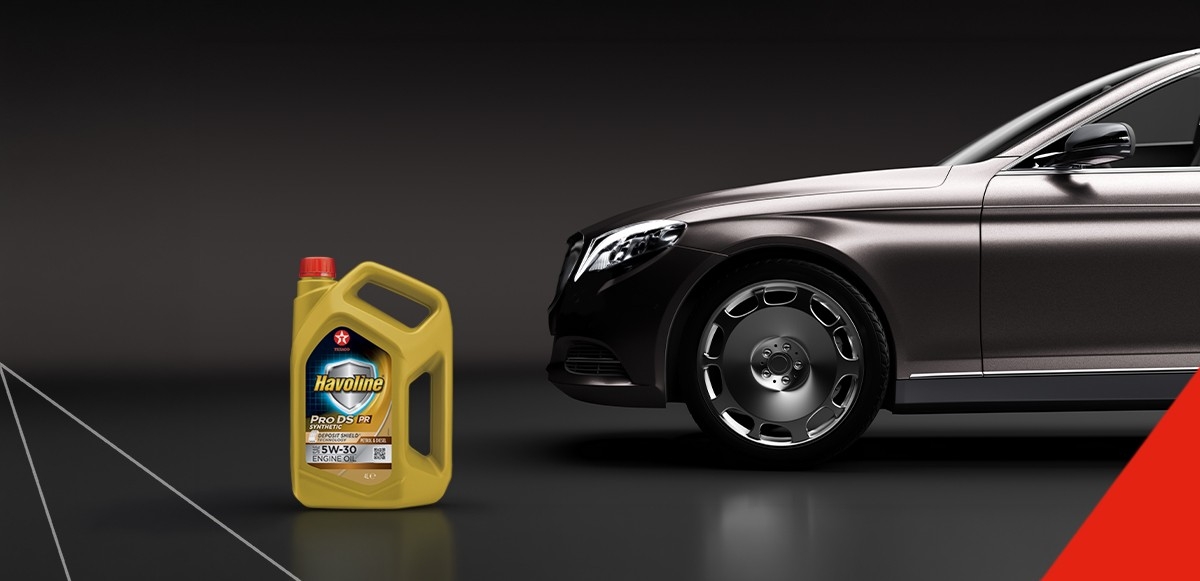
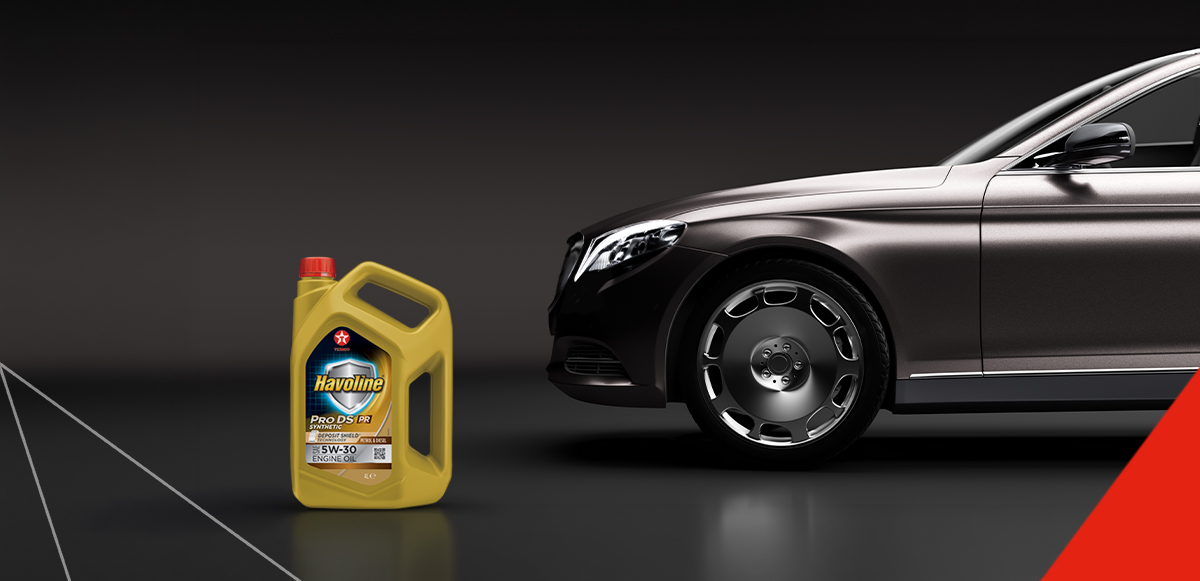
Havoline ProDS PR SAE 5W-30 has been developed specifically to help meet these evolving demands.
Designed for modern gasoline and diesel passenger cars and light vans, including those equipped with DPF and GPF systems, its mid SAPS formulation helps protect sensitive emissions components. In addition, its advanced additive technology works to minimise sludge and deposits, helping support longer engine life.
Crucially, it also addresses one of the most serious risks in modern engines. PSA testing has demonstrated that Havoline ProDS PR does not contribute to LSPI, helping to protect against potentially severe engine damage.
The product has also been engineered to help deliver consistent performance over time. Its synthetic base oil technology provides low volatility, helping reduce oil consumption, and strong oxidation stability, helping to support longer service intervals, with the latter helping to promote reliable fuel efficiency performance throughout the oil’s lifespan.
Where next?
The conception that any oil of the right grade will do is becoming outdated, particularly as engine technology evolves. Now, choosing the right lubricant is about ensuring your engine, emissions systems, and operating costs are all protected over the long term.
In the shift towards this approach, Havoline ProDS SAE 5W-30 helps drivers and fleets with the increasing demands placed on modern engines.