Texaco HDAX 9300 SAE 40
Your questions answered
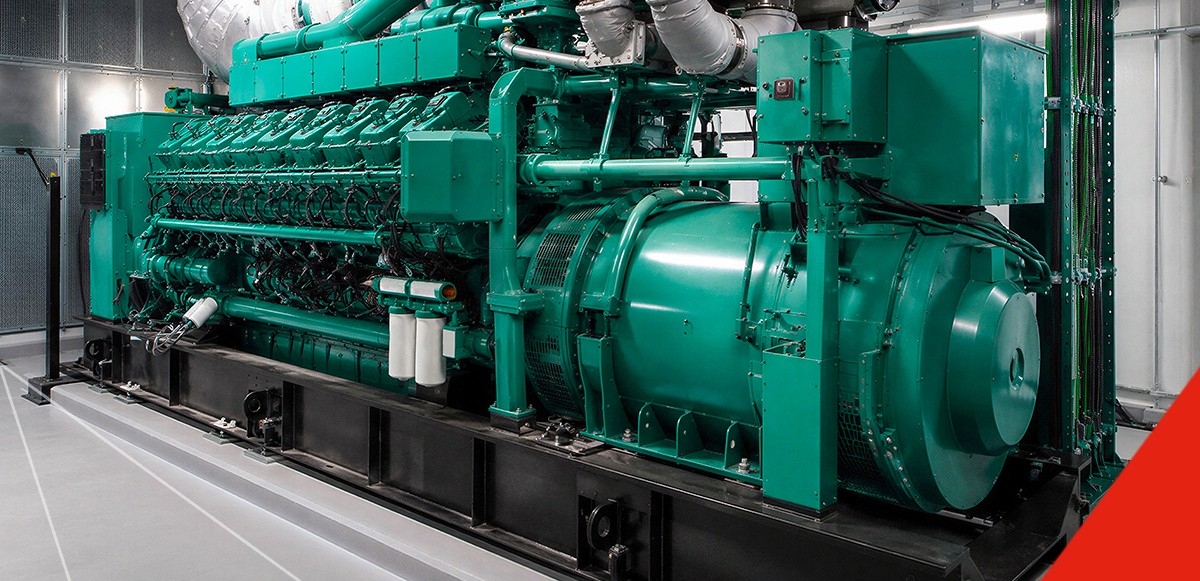
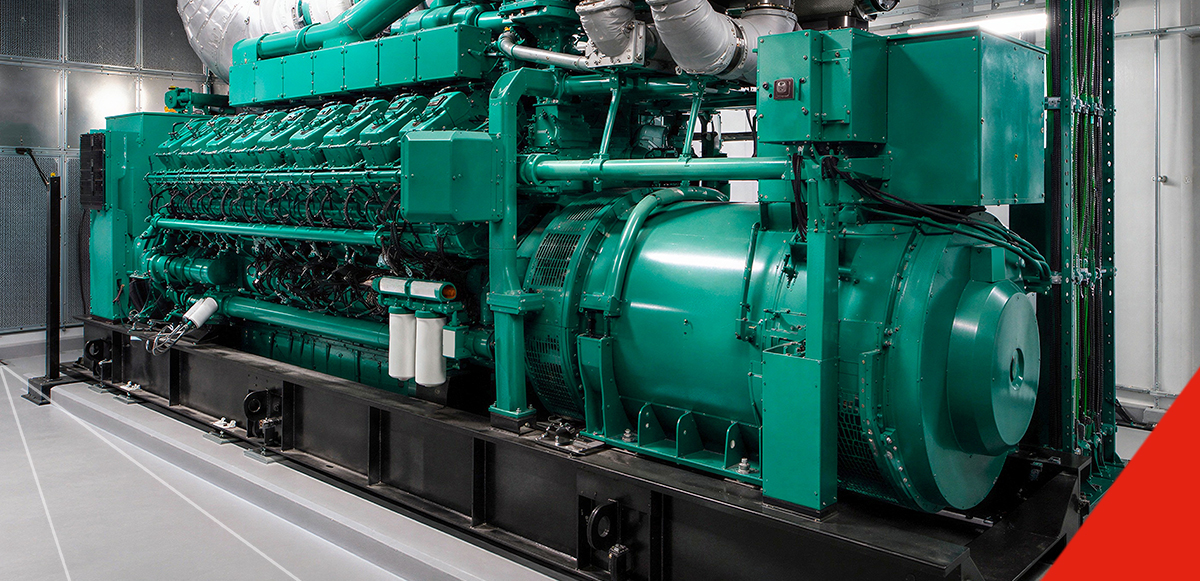
Gas engines operating under heavy loads are demanding on their lubricants, making the choice of engine oil an important consideration for operators. So, what should operators look for in a lubricant designed for these conditions? Here, we take a closer look at Texaco® HDAX 9300 SAE 40 and the protection it is designed to help provide.
What is Texaco HDAX 9300 SAE 40?
Texaco HDAX 9300 SAE 40 is a premium performance, medium-ash gas engine oil designed specifically for four-stroke engines running on natural gas under heavily loaded conditions. The product is designed to help provide protection against corrosion, deposits, sludge, wear and scuffing, helping to optimise engine service life.
What makes it suitable for heavily loaded engines?
HDAX 9300 SAE 40 is designed for high-output, low-emission four-stroke engines, including modern steel piston engines operating at a brake mean effective pressure (BMEP) of 22 bar or greater.
These operating conditions can place significant demands on the lubricant. HDAX 9300 SAE 40 is therefore formulated to help provide robust protection while supporting reliable engine operation.
How does it help manage deposits and sludge?
Deposit and sludge control are important considerations for engine performance. HDAX 9300 SAE 40 is formulated to help prevent sludge formation on cylinder liners, which could otherwise interfere with oil flow and contribute to higher oil consumption.
Its formulation also helps control carbon deposits on pistons. This can support improved piston ring operation while helping to protect cylinder liners against scuffing.
Can it help extend oil drain intervals?
Yes. HDAX 9300 SAE 40 combines oxidation and nitration resistance with base number retention to offer extended drain capability.
This is particularly relevant in engines where the oil feed rate is deliberately kept low, as this can place additional stresses on the lubricant. The formulation is designed to remain compatible with very low oil feed rate engines.
Why is the oil's ash level important?
HDAX 9300 SAE 40 has a medium ash level, which is preferred for high-BMEP engines with steel pistons.
This ash level is designed to support reliable valve recession control while helping to reduce the formation of ash deposits in the combustion chamber. This helps prevent potential pre-ignition.
Can it be used with catalyst systems?
Yes. HDAX 9300 SAE 40 features a low-phosphorus additive design, allowing it to be used with catalyst systems.
Which engines is HDAX 9300 SAE 40 approved for?
The lubricant has approvals covering a range of gas engines, including:
- Bergen Engines: all engine types for natural gas operation, including K-G1, K-G2, K-G3, K-G4, C26:33, B35:40 and B36:45.
- Caterpillar: CG Gas Engines.
- Jenbacher: TA 1000-1108 Fuel Class A, including Type 9 engines across all versions.
- Jenbacher: TA 1000-1109 Fuel Class A for specified Type 2, 3, 4 and 6 engine versions.
- MWM (Caterpillar Energy Solutions): TCG Gas Engines.
HDAX 9300 SAE 40 has also gained proof of performance through extensive field trials in Caterpillar G3500 version H engines.
What fuels is it intended for?
HDAX 9300 SAE 40 is designed for natural gas applications and is intended for use with fuels containing low levels of sulphur and chlorofluorocarbon (CFC).
For sour gas or high-CFC applications, a lubricant specifically designed for those conditions should be used, such as Texaco HDAX 9500 SAE 40.
Why could HDAX 9300 SAE 40 be a suitable choice for gas engine operators?
For operators running high-output natural gas engines under heavily loaded conditions, lubricant performance is an important part of maintaining engine reliability and service life.
HDAX 9300 SAE 40 is designed to help offer protection against wear, scuffing, corrosion, sludge and deposits with oxidation and nitration resistance. Its ash level, extended drain capability and low-phosphorus formulation further support its use in demanding gas engine applications.
As with any lubricant selection, the product chosen should always be confirmed as consistent with the original equipment manufacturer's recommendation, the equipment's operating conditions and the customer's maintenance practices.